
 Building Configurator
 Request a Quote


How Fabric Buildings Support Different Site Uses
Fabric buildings provide flexible covered space for storage, agriculture, vehicles, workshops, equipment, and temporary site operations. They are often used when a business needs practical protection from the weather without the cost or complexity of a traditional permanent building.
Before choosing between different fabric building options, it is important to understand how the structure will be used, what size is required, how often it will be accessed, and whether it needs to support vehicles, stock, machinery, livestock, or workspace.

What Makes Fabric Buildings Useful?
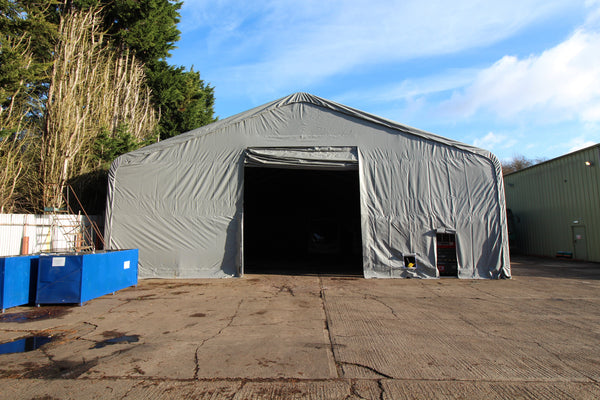
Fabric buildings are built with a steel frame and a durable fabric or PVC covering. This structure creates a large covered area that can be used for storage, shelter, workshop space, or temporary operational needs.
The main advantage is flexibility. A fabric building can often be installed faster than a traditional building and configured around different site requirements, including span, height, access, and intended use.
Key Benefits of Fabric Buildings
Flexible covered space
Fabric buildings can be used for many different applications, including equipment storage, vehicle protection, agricultural cover, workshop space, and temporary site operations. The open internal layout makes them useful when businesses need adaptable space.
Faster installation
Compared with many traditional building types, fabric buildings can offer a faster route to usable covered space. This can be useful for seasonal demand, temporary expansion, or operational needs where delays are costly.
Weather protection
A fabric building can help protect vehicles, machinery, stock, materials, and work areas from rain, wind, sunlight, and general weather exposure. The final specification should always match the site conditions and intended use.
Cost-effective structure
Fabric buildings can provide practical covered space without the same level of complexity as a traditional permanent building. This can make them suitable for businesses that need storage, shelter, or workspace while keeping project costs under control.
Adaptable size and layout
Different sizes and layouts can support different operational needs. Customers should consider the required width, length, height, access points, internal clearance, and whether the building may need to support future changes.
Common Uses for Fabric Buildings
Storage and equipment protection
Fabric buildings can provide covered space for machinery, tools, stock, materials, seasonal goods, and business equipment. They are useful when stored items need protection from weather exposure but do not require a fully traditional building.
Construction and site operations
On construction or industrial sites, fabric buildings can support material storage, temporary work areas, equipment protection, or covered operational space. The structure can help keep work moving during poor weather conditions.
Agricultural use
Farms can use fabric buildings for machinery cover, hay or feed storage, livestock support areas, crop protection, or general farm storage. The right specification depends on the type of agricultural use and the level of weather protection required.
Vehicle and fleet cover
Fabric buildings can also support vehicle storage, fleet protection, maintenance areas, or covered parking for commercial and agricultural sites.
What Materials Are Used?
Most fabric buildings use a steel frame combined with a durable fabric or PVC cover. The frame provides structural support, while the outer covering helps protect the internal space from weather exposure.
When comparing options, customers should review the frame specification, cover material, anchoring requirements, door access, and whether the building is suitable for the intended location and use.
When Is a Fabric Building the Right Choice?
A fabric building may be suitable when a business needs flexible, cost-effective covered space for storage, agriculture, vehicles, workshops, or temporary operations. It can be especially useful when fast installation, adaptable layout, and practical weather protection are priorities.
Before choosing a building, consider the site surface, delivery access, unloading requirements, anchoring, expected usage, and whether a standard or custom size is needed.
Final Checklist Before Choosing a Fabric Building
- Define the main use: storage, vehicles, agriculture, workshop, or site operations
- Confirm the required width, length, and height
- Check access requirements for vehicles, machinery, or people
- Review site conditions, wind exposure, and weather protection needs
- Consider door options, anchoring, and installation requirements
- Decide whether a standard size or custom configuration is required
Choosing the Right Fabric Building
Fabric buildings can provide practical covered space for many commercial, agricultural, and industrial uses. The right option depends on the site, required size, access needs, weather exposure, and long-term use of the structure.
To compare available building types, review the fabric building options.