

 Building Configurator
 Request a Quote

How Livestock Shelters Are Revolutionising Farm Efficiency in the UK
Livestock shelters can improve farm efficiency by giving animals a safer, more comfortable covered space while making daily farm tasks easier to manage. For farms dealing with changing weather, rising operating costs, and animal welfare requirements, the right shelter can support both livestock protection and day-to-day productivity.
Instead of treating shelters only as animal housing, farmers can use them as part of a wider farm-management system for feeding, resting, handling, seasonal protection, and flexible covered space.
Why Modern Farms Need Practical Livestock Shelter
Older barns, temporary sheds, or exposed field areas are not always enough for modern farm operations. A well-planned livestock shelter can help protect animals from weather exposure while giving farmers a more reliable space for routine care, feeding, and movement.
For cattle, sheep, pigs, goats, horses, and mixed livestock operations, the right shelter can support animal comfort while reducing pressure on existing farm buildings.
How Livestock Shelters Support Farm Efficiency
Livestock shelters can help farms work more efficiently by reducing unnecessary movement, protecting animals closer to where they graze or feed, and creating covered areas for seasonal use. This can make daily routines easier during wet, cold, or high-exposure periods.
Practical efficiency benefits include:
- Covered space for feeding and resting
- Better protection from rain, wind, snow, and sunlight
- More flexible animal handling during seasonal changes
- Reduced reliance on older or overcrowded farm buildings
- Useful covered space for mixed farm operations
Animal Welfare and Weather Protection
Animal welfare is closely connected to shelter quality. Livestock exposed to harsh weather for long periods may face stress, discomfort, and increased management challenges. A suitable shelter can help reduce direct exposure and provide animals with a more stable covered environment.
Good shelter planning should consider airflow, access, floor conditions, internal space, and the type of livestock being housed. The aim is not only to cover animals, but to create a practical environment that supports safe and comfortable farm use.
Choosing Between Open and Enclosed Shelter
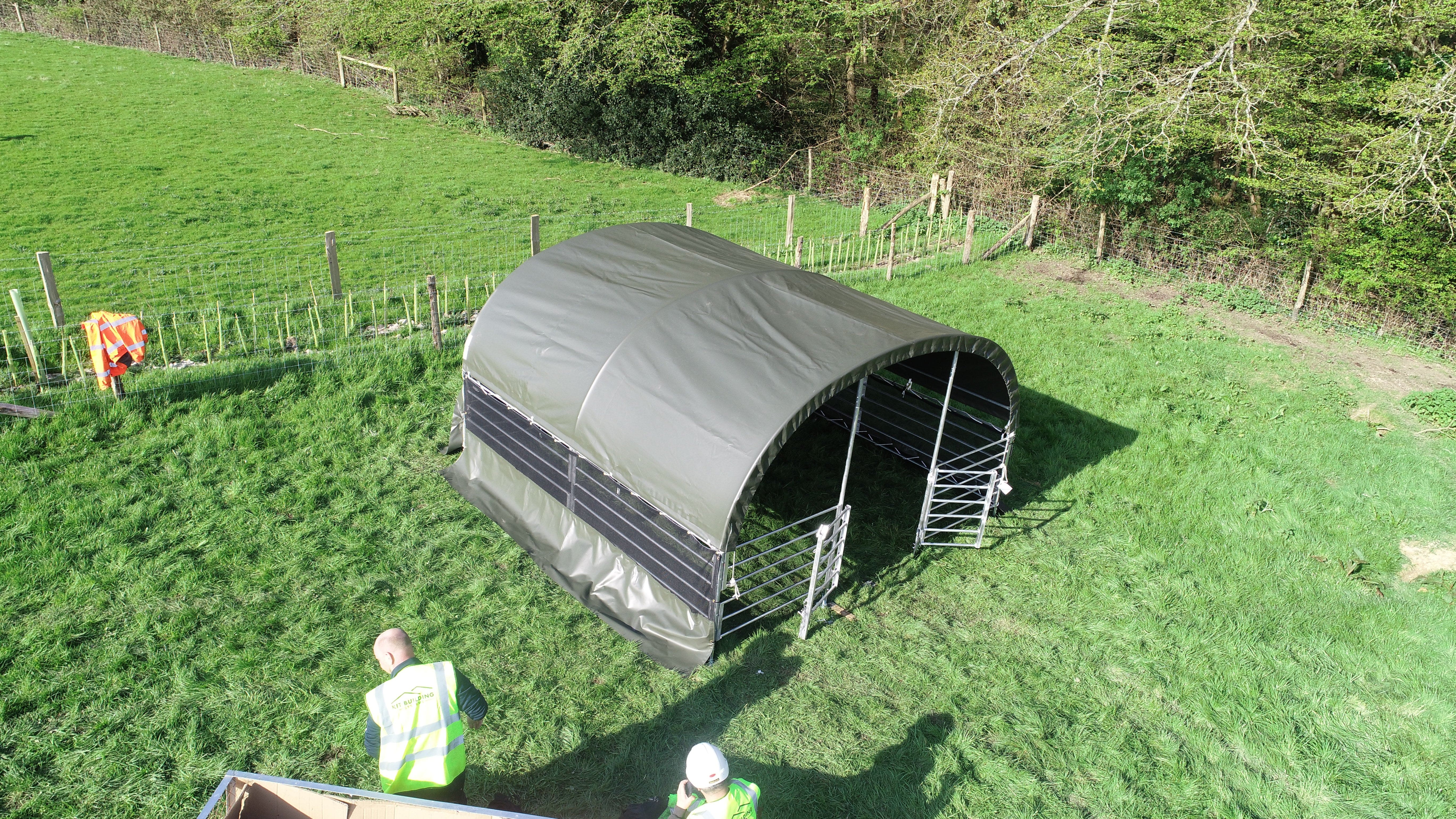
Different farms need different shelter types. Open-sided field shelters can work well where airflow, quick access, and flexible outdoor use are priorities. Enclosed livestock shelters may be more suitable where stronger weather protection, more coverage, or a more controlled environment is needed.
The right choice depends on animal type, herd size, site exposure, access needs, and whether the shelter will be used seasonally or throughout the year.
Long-Term Cost and Maintenance Benefits
A livestock shelter is an investment, so long-term usability matters. Durable materials, practical installation, and low-maintenance construction can help reduce repair needs and support better value over time.
Important cost factors to consider:
- Frame durability and corrosion resistance
- Cover material and weather resistance
- Ease of installation and relocation
- Suitability for the site surface
- Potential for standard or custom sizing
Planning the Right Shelter for Your Farm
Before choosing a livestock shelter, review the number of animals, species, available space, weather exposure, access routes, and daily management needs. A shelter that works well for sheep may not be the best setup for cattle, horses, pigs, or goats.
It is also important to consider whether the shelter needs to support feeding, temporary separation, lambing, calving, storage, or year-round animal protection.
Supporting Better Farm Operations
Modern livestock shelters can help farms become more organised, flexible, and resilient. By improving animal protection and creating practical covered areas, they can support better daily workflows and more efficient use of farm space.
To compare available product options, review the enclosed livestock shelter options.