

 Building Configurator
 Request a Quote

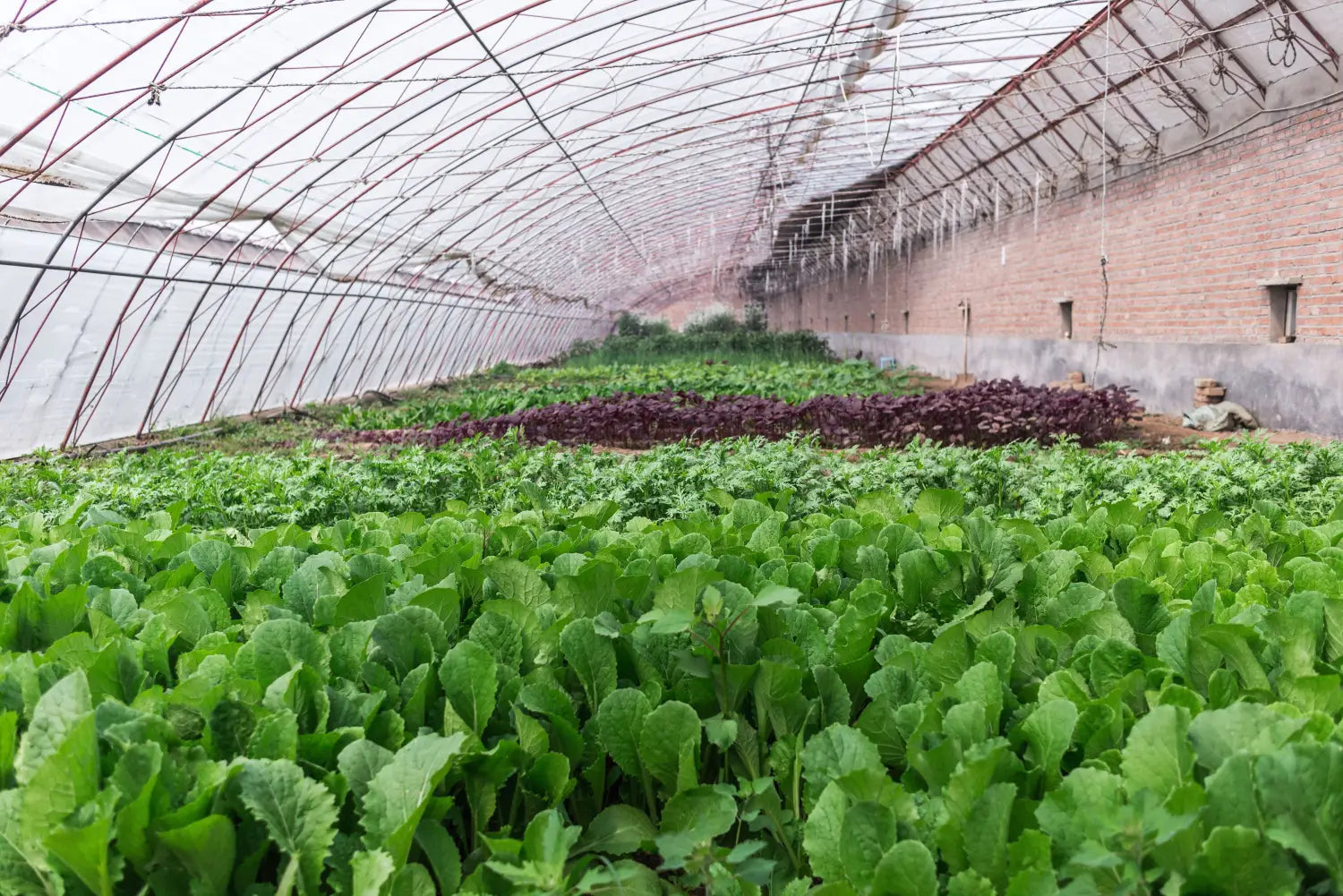
Agricultural Storage Buildings for Crop and Equipment Protection
Agricultural storage buildings help farms protect crops, hay, equipment, tools, and materials from weather exposure, theft, pests, and daily site risks. For farms that depend on reliable storage and seasonal protection, the right building can reduce losses and make day-to-day operations easier to manage.
Before choosing a structure, it is important to think about what needs to be protected, how the building will be used, and whether the space needs to support crops, machinery, livestock supplies, or general farm materials. To compare available building types, review our agricultural building options.

Agricultural Risks and Storage Challenges
Farms face many risks throughout the year, including heavy rain, strong wind, snow, heat, pests, theft, and damage to stored materials. Without suitable covered space, crops, equipment, and supplies can be exposed to conditions that reduce quality, increase costs, or slow down farm operations.
Weather Exposure
Changing weather can damage crops, hay, feed, equipment, and stored materials. A suitable agricultural building helps create covered space that protects valuable farm assets from rain, snow, wind, sunlight, and general outdoor exposure.
Pests and Wildlife
Pests and wildlife can create serious problems for stored crops, feed, and materials. A well-planned storage building can help reduce exposure and provide a more secure environment for farm supplies.
Theft and Site Security
Farms often store valuable equipment, tools, machinery, and materials. Secure agricultural storage can help reduce theft risk and make it easier to manage access to important assets.
Crop, Hay, and Equipment Protection
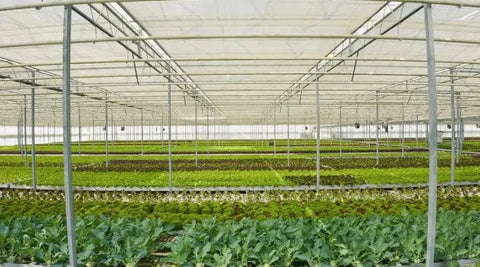
Agricultural storage buildings can help protect crops, hay, feed, tools, machinery, and seasonal materials from damage. By keeping important farm assets covered and better organised, farms can reduce waste, improve access, and support more reliable operations.
For crop and material storage, the right building should provide enough space, practical access, suitable ventilation, and protection from the main risks affecting the site.
Secure Building Design for Farm Use
Security and usability should both be considered when planning an agricultural building. The structure should be easy for farm teams to access while still helping protect stored assets from unauthorised access, weather, and damage.
Layout and Access
The layout should support the way the farm operates. Consider vehicle access, machinery movement, loading areas, internal storage zones, and whether the building needs to support seasonal changes in use.
Materials and Durability
Durable materials are important for farm environments. The building should be suitable for outdoor exposure, regular use, and the type of materials or equipment being stored inside.
Site Conditions
Before choosing a building, review the ground surface, drainage, wind exposure, access routes, and whether the site needs preparation before installation.
Technology and Practical Farm Management
Some agricultural storage buildings may benefit from additional systems such as lighting, ventilation, cameras, controlled access, or monitoring. These features can help improve usability, security, and daily farm management.
Ventilation
Ventilation can be important when storing crops, hay, feed, or materials that are sensitive to moisture. Good airflow helps reduce condensation and supports better storage conditions.
Lighting and Access Control
Lighting can make the building safer and easier to use, especially during early mornings, evenings, or winter periods. Access control and cameras may also be useful where valuable equipment or materials are stored.
Economic Benefits of Agricultural Storage Buildings
Agricultural storage buildings can support farm efficiency by reducing weather damage, improving organisation, protecting valuable assets, and creating more reliable covered space for seasonal use.
Reduced Losses
Better storage can help reduce losses from weather exposure, pests, theft, and material damage.
Improved Farm Workflow
When crops, tools, equipment, and materials are stored in a clear and protected area, daily farm work can become faster and easier to manage.
Long-Term Flexibility
Agricultural buildings can support different farm needs over time, including crop storage, machinery cover, feed protection, temporary workspace, and seasonal operations.
Planning the Right Agricultural Storage Building
Before choosing a building, consider the main use, required size, access needs, site conditions, stored materials, and whether the building needs to support future farm growth.
- What crops, equipment, or materials need protection?
- How much covered space is required?
- Will vehicles or machinery need access?
- Is ventilation important for the stored materials?
- Does the site need extra security or lighting?
- Will the building be used seasonally or year-round?
Choosing the Right Agricultural Building
The right agricultural storage building should match the farm’s site, storage needs, access requirements, and long-term use. A well-planned structure can help protect valuable assets, reduce losses, and support more efficient farm operations.
To compare suitable structures, review our agricultural building options.