


 Building Configurator
 Request a Quote

Article: Aircraft Hangar Design Checklist: 7 Practical Elements
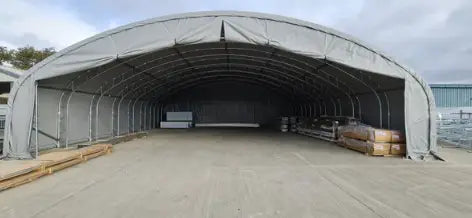
Aircraft Hangar Design Checklist: 7 Practical Elements
Designing an aircraft hangar requires more than choosing a structure and placing it on site. The right hangar should protect the aircraft, provide safe access, support maintenance, and allow enough space for storage, movement, and future operational needs.
This checklist covers the key design factors to review before choosing or planning an aircraft hangar. To compare available building types, see our aircraft hangar options.

1. Location and Site Planning
The location of an aircraft hangar affects access, usability, installation, and long-term value. Before choosing a site, consider proximity to the airfield, road access, runway access, ground conditions, drainage, and available space for future expansion.
It is also important to check local approval requirements before committing to a site or final building specification.
2. Hangar Size and Aircraft Clearance
The hangar size should be based on the aircraft’s wingspan, length, tail height, and required clearance around the aircraft. Extra space may also be needed for tools, spare parts, ground support equipment, maintenance activity, or vehicle access.
Planning slightly beyond current needs can help avoid future space limitations if the aircraft changes or operational requirements grow.
3. Structural Strength and Material Choice
Aircraft hangars need to provide durable protection against weather exposure and daily use. Steel-framed structures are often chosen because they offer strength, long-term durability, low maintenance, and strong resistance to outdoor conditions.
Depending on the project, customers may choose a fabric aircraft hangar, a steel aircraft hangar, or an insulated aircraft hangar where condensation control or temperature protection is important.
4. Door Design and Access
The hangar door system is one of the most important design decisions. The opening must be wide and high enough for the aircraft to move safely in and out, while still being practical for regular use.
Door requirements depend on aircraft size, frequency of access, available space, and whether the hangar will be used only for storage or also for maintenance work.
5. Climate Control and Ventilation
Good ventilation helps reduce humidity, condensation, and stale air inside the hangar. For some aircraft or equipment, insulation may also be useful to improve internal conditions and support year-round use.
Projects that need stronger temperature protection should consider insulated construction or additional climate-control planning.
6. Security and Safety
Aircraft hangars often protect high-value assets, so security should be considered early. Depending on the site, this may include secure doors, controlled access, lighting, surveillance, alarms, and a clear access plan.
Safety planning should also include emergency access, fire-safety considerations, safe movement around the aircraft, and suitable lighting for inspection or maintenance tasks.
7. Maintenance and Workspace Planning
If the hangar will be used for aircraft maintenance, it should include enough space for tools, lighting, storage, and safe movement around the aircraft. A well-planned maintenance area can make inspections, repairs, and routine checks easier to manage.
Storage should also be planned carefully so that equipment and spare parts are easy to access without blocking aircraft movement.

Additional Design Considerations
Layout Efficiency
The internal layout should allow safe aircraft movement, practical storage, and enough working space for maintenance or inspections. Avoid placing storage areas where they block aircraft access or reduce usable space.
Lighting
Good lighting improves safety and usability inside the hangar. Natural light can help where suitable, but LED lighting is often needed for reliable visibility during maintenance and daily operations.
Surface and Interior Finish
Flooring and interior finishes should be practical, durable, and easy to maintain. For hangars used for maintenance, the surface should support cleaning, movement, and safe working conditions.
Future Growth
Before finalising the design, consider whether the hangar may need to support larger aircraft, more equipment, additional storage, or a different operational layout in the future.
Final Aircraft Hangar Design Checklist
- Choose a suitable location with good site access
- Measure aircraft wingspan, length, and tail height
- Allow enough clearance for movement and maintenance
- Select the right structure type: fabric, steel, or insulated
- Plan the door opening around aircraft access needs
- Review ventilation, condensation, and climate-control requirements
- Consider security, safety, lighting, and emergency access
- Plan storage and maintenance space inside the hangar
- Allow for future aircraft or operational growth
Choosing the Right Aircraft Hangar Design
The best aircraft hangar design depends on the aircraft, site, access requirements, storage needs, and long-term use. A well-planned hangar should protect the aircraft while also supporting safe, practical daily operations.
Reviewing these points before choosing a hangar can help ensure the final structure fits the aircraft, site, access needs, and long-term use.