

 Building Configurator
 Request a Quote

How to Get More Value from an Aircraft Hangar
An aircraft hangar is more than a storage space. It can protect aircraft from weather exposure, support maintenance work, improve site organisation, and provide useful operational space for aviation equipment, tools, vehicles, and daily activity.
Before comparing aircraft hangar options, it is useful to understand how the hangar will be used and what features can help customers get more value from the building over time.

Why Aircraft Hangar Planning Matters
The main role of an aircraft hangar is to protect aircraft from rain, wind, sunlight, temperature changes, corrosion risk, and general weather exposure. But a well-planned hangar can also improve safety, access, maintenance efficiency, and day-to-day site use.
For private aircraft owners, airfields, aviation businesses, and fleet operators, the hangar should be planned around the aircraft, site layout, access needs, and future operational requirements.
Organising the Hangar Space
A well-organised hangar makes aircraft movement, maintenance, storage, and inspections easier. The layout should keep the aircraft accessible while leaving enough room for tools, parts, ground equipment, and safe movement around the building.
Useful planning points include:
- Clear access routes around the aircraft
- Dedicated storage areas for tools and spare parts
- Safe space for ground support equipment
- Enough clearance for aircraft movement and door access
- Lighting that supports inspection and maintenance work
Creating Functional Work Zones
An aircraft hangar can support more than parking and storage. Many customers also need a practical space for inspections, light maintenance, cleaning, equipment storage, and preparation before flights.
Work zones should be planned so that aircraft movement is not blocked. Benches, storage units, lighting, and cleaning areas should be placed where they support the workflow without reducing safety or access.
Climate Control and Condensation Management
Temperature changes and humidity can affect aircraft components, stored equipment, tools, and the working environment inside the hangar. In some cases, insulation, ventilation, or climate-control planning may be useful.
Customers should consider whether the hangar needs basic weather protection or stronger control against condensation, temperature fluctuation, and year-round working conditions.
Security and Safety Planning
Aircraft and aviation equipment are valuable assets, so security should be part of the hangar planning process. Depending on the site, customers may need secure doors, controlled access, lighting, alarms, cameras, or other safety measures.
Safety planning should also include clear access routes, fire-safety considerations, safe storage of tools and materials, and enough internal space for people and equipment to move safely.
Using the Hangar for Additional Storage
Many aircraft hangars also support storage for vehicles, machinery, ground equipment, spare parts, maintenance tools, and aviation-related materials. This can improve site efficiency, but only if the layout is planned carefully.
Storage areas should not block aircraft movement, door openings, or maintenance access. The most useful hangars balance aircraft protection with practical secondary storage.
Routine Maintenance for Long-Term Use
Regular maintenance helps keep the hangar usable and safe over time. Customers should inspect doors, frame sections, roof areas, fixings, flooring, and drainage so small issues are found before they become more serious.
Maintenance areas to review:
- Door operation, tracks, hinges, and seals
- Roof and wall condition
- Floor surface and drainage
- Lighting and electrical systems
- Security and access-control systems
When to Upgrade or Expand a Hangar
As aviation needs change, a hangar may need to support larger aircraft, additional equipment, more storage, improved access, or better internal working conditions. Planning for future use can help avoid outgrowing the building too quickly.
Signs an upgrade may be needed:
- Limited space around the aircraft
- Not enough room for tools, parts, or ground equipment
- Door openings no longer fit operational needs
- Poor lighting, ventilation, or internal working conditions
- New aircraft, fleet growth, or additional site activity
Choosing the Right Aircraft Hangar Type
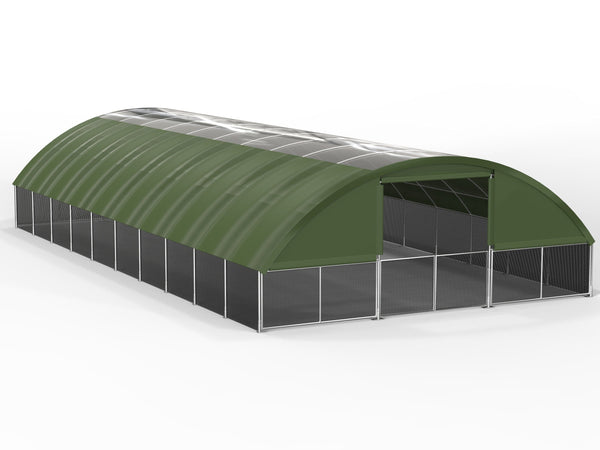
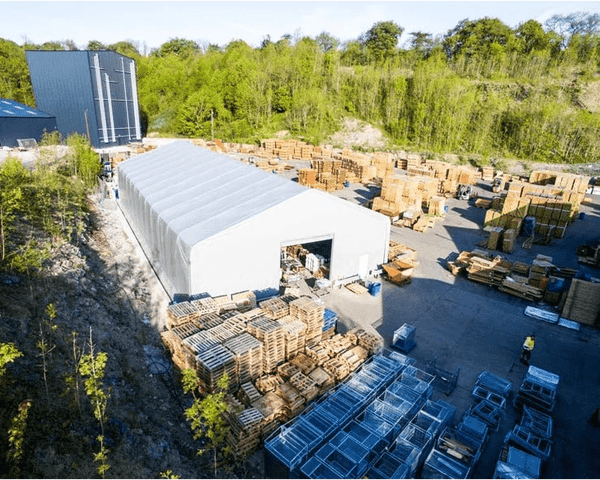
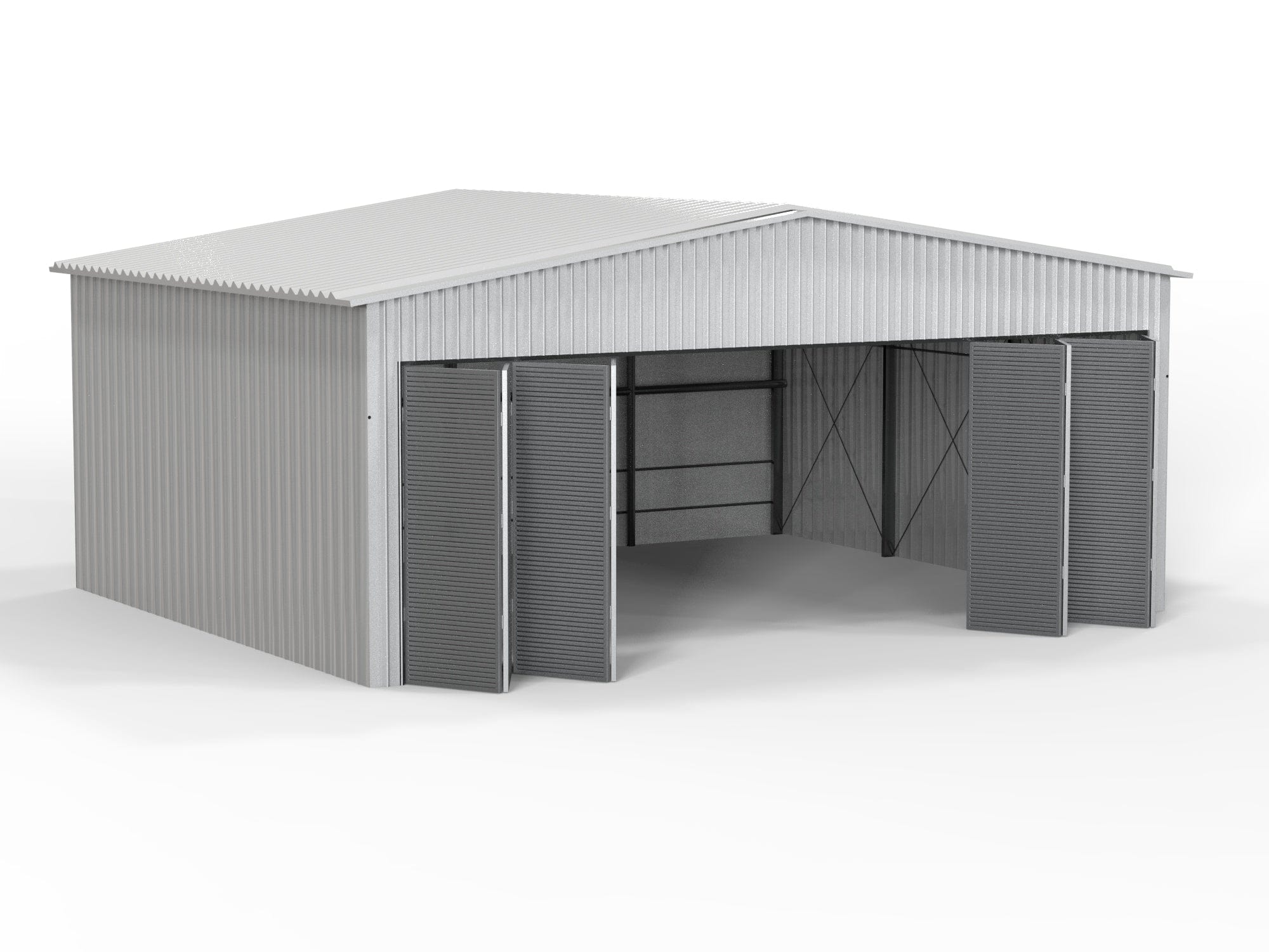
Different aircraft hangar types suit different requirements. A fabric aircraft hangar may be suitable for flexible aircraft cover, a steel aircraft hangar may provide stronger metal-clad protection, and an insulated aircraft hangar may be better when temperature control or condensation reduction is important.
The best choice depends on aircraft size, site conditions, access requirements, weather exposure, budget, and whether the hangar will be used for storage only or also for maintenance and operational work.
Aircraft Hangar Planning Checklist
- Measure aircraft wingspan, height, and length
- Allow enough space for access, movement, and maintenance
- Plan storage areas for tools, parts, and ground equipment
- Review door size and opening requirements
- Consider lighting, ventilation, insulation, and climate control
- Review security, safety, and fire-protection needs
- Check whether the hangar may need to support future expansion
Getting More Value from an Aircraft Hangar
A well-planned aircraft hangar can protect aviation assets while also supporting maintenance, storage, workflow, and long-term operational flexibility. The right design should match the aircraft, the site, and the way the hangar will be used every day.
To compare available building types, review the aircraft hangar options.