

 Building Configurator
 Request a Quote

Aircraft Hangars and Industrial Buildings: Practical Use Cases
A well-planned building can protect valuable assets, support daily operations, and create practical covered space for storage, maintenance, equipment, vehicles, and work activity. Aircraft hangars and industrial buildings both serve this role, but they are used in different ways depending on the site, asset type, and operational requirement.
For aviation use, customers can compare aircraft hangar options. For broader storage, workshop, and operational needs, it is also useful to review the wider industrial building and storage options.
Understanding Aircraft Hangars
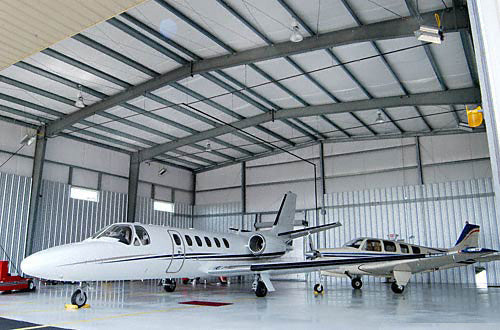
An aircraft hangar is designed to protect aircraft from weather exposure, sunlight, wind, rain, corrosion risk, and general site conditions. It can also support maintenance, inspections, equipment storage, and aviation operations.
The right aircraft hangar depends on the aircraft size, wingspan, tail height, door access, site conditions, and whether the building will be used only for storage or also for maintenance and operational work.
Aircraft Hangars as Operational Space
Aircraft hangars are not only storage buildings. They can also act as controlled working areas for inspection, preparation, maintenance, cleaning, tools, spare parts, and ground support equipment.
When planning a hangar, customers should think about internal clearance, safe movement around the aircraft, access routes, lighting, ventilation, security, and future expansion needs.
Choosing the Right Aircraft Hangar Type
Different aircraft hangar types suit different aviation needs. A fabric aircraft hangar may be suitable for flexible aircraft cover, a steel aircraft hangar may provide stronger metal-clad protection, and an insulated aircraft hangar may be better when temperature control or condensation reduction is important.
- Fabric aircraft hangars: useful for flexible covered aviation storage and practical weather protection.
- Steel aircraft hangars: suitable for stronger structures and more durable metal-clad aircraft protection.
- Insulated aircraft hangars: useful when internal temperature, condensation control, or year-round working conditions matter.
Industrial Buildings for Storage and Operations
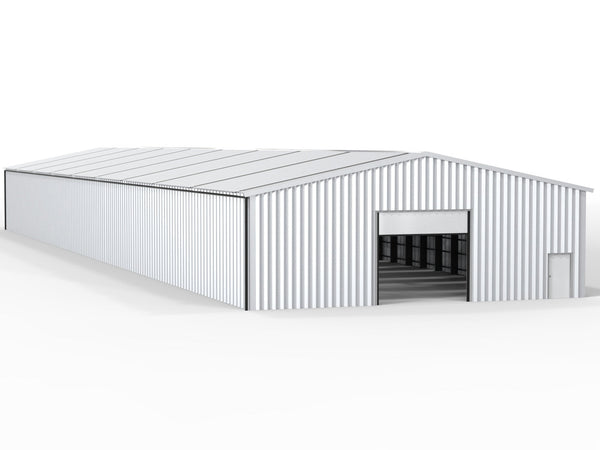
Industrial buildings are used for manufacturing, warehousing, equipment storage, maintenance, logistics, workshops, and commercial operations. They are usually planned around workflow, access, internal space, loading needs, and long-term operational use.
Unlike aircraft hangars, which are designed around aircraft dimensions and movement, industrial buildings are usually planned around machinery, vehicles, materials, stock, staff movement, and operational processes.
Temporary Buildings for Flexible Site Needs
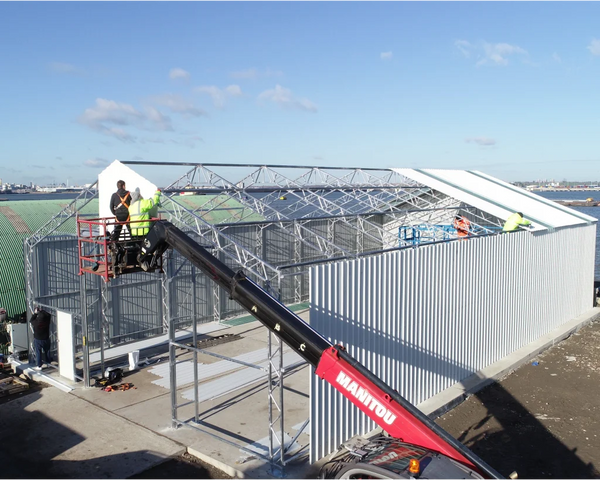
Temporary buildings can provide useful covered space when a business needs fast, flexible storage or operational capacity. They may be used for short-term projects, seasonal demand, temporary workshops, equipment protection, or site expansion.
These buildings can be useful when a permanent structure is not required or when the business needs a faster route to usable covered space.
Container Shelters and Covered Storage
Container shelters can create covered space between shipping containers or suitable support structures. They are commonly used for equipment storage, material protection, vehicle cover, and temporary work areas.
They can be a practical option when a site already uses containers and needs extra weather-protected space without building a full permanent structure.
How to Choose the Right Building Type
The right building depends on what needs to be protected, how the space will be used, and how long the structure needs to remain in place. Aircraft, industrial equipment, stock, vehicles, machinery, and materials all create different planning requirements.
Key factors to review:
- Asset type: aircraft, vehicles, machinery, stock, or equipment
- Required width, length, height, and internal clearance
- Door access and vehicle movement
- Weather exposure and site conditions
- Temporary, semi-permanent, or long-term use
- Storage, maintenance, workshop, or operational requirements
- Security, lighting, ventilation, and insulation needs
Aircraft Hangars vs Industrial Buildings
Aircraft hangars are usually planned around aircraft protection, aircraft movement, door openings, maintenance access, and aviation-site requirements. Industrial buildings are usually planned around storage capacity, machinery, workflow, loading, and operational efficiency.
Some projects may overlap. For example, an aviation business may need both aircraft storage and workshop space, while an industrial site may need a building that supports vehicles, equipment, and materials.
Final Planning Checklist
- Define the main purpose of the building
- Measure the largest asset or equipment that needs to fit inside
- Confirm internal clearance and door opening requirements
- Review site access, delivery access, and ground conditions
- Check weather exposure and structural requirements
- Decide whether insulation, ventilation, or climate control is needed
- Plan for future expansion or changing operational needs
Choosing the Right Structure
Aircraft hangars and industrial buildings can both provide valuable covered space, but they should be planned around different operational needs. The best choice depends on the asset being protected, the site layout, access needs, weather exposure, and long-term use.
For aviation storage, compare aircraft hangar options. For wider storage and operational buildings, review the industrial building and storage options.